01
IntakeApproved sourcesFixed adapters collect vendor feeds, security media, arXiv, NVD, CISA and advisories as inherently untrusted input
An independent bilingual platform for current AI security news, research, vulnerabilities and weekly context
Technical content flow from source intake through Ollama and quality gates to editorial approval
Fixed adapters collect vendor feeds, security media, arXiv, NVD, CISA and advisories as inherently untrusted input
Python collectors extract visible content, normalize URLs, timestamps and metadata, and reject disallowed destinations
Time windows and relevance rules limit candidates. Canonical URLs, stable identifiers and source clusters reduce duplicates
An open-source model assesses relevance, classifies the content type and produces a bilingual structured draft
Pydantic schemas, deterministic rules and a separate grounding pass verify required fields, source support, date logic and uncertainty
An authenticated, idempotent Next.js API accepts validated batches only. Zod, size limits, rate limits and markup checks protect the boundary
Every draft is reviewed by a person before publication. Content can be revised, approved or rejected
The service layer stores versions, sources and state in an SQL database. The public frontend reads approved records only
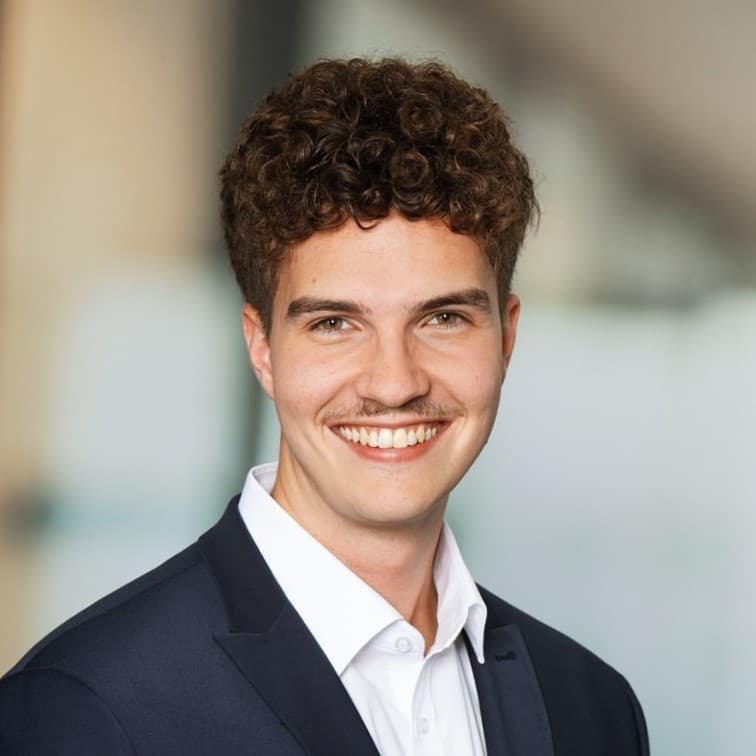
Hello fellow AI Security nerds, enthusiasts and researchers — welcome!
My name is Sebastian Grünewald and I lead an AI Security team in consulting and pursue AI security research out of genuine passion. My background started in secure software development, later moved into senior security architecture, and eventually led me to research work at UC Berkeley, where my interest in AI security became a central focus.
The idea for fy(a)i-security came from a simple observation: it is becoming increasingly difficult to keep up with the pace of AI, security research, new vulnerabilities and emerging attack techniques. At the same time, I felt there was no focused platform dedicated specifically to this niche. With fy(a)i-security, I want to make relevant AI security developments easier to follow — and also test, in practice, how far modern web applications can be built with the help of coding assistants like Codex.
Suggestions about content, ideas for new sources and honest feedback about the platform are welcome
sebi.gruenewald@gmail.com